
BRITAIN unveils on Wednesday (23) a mini-budget update aimed at easing a cost of living crisis, as data revealed inflation spiking to a three-decade high on soaring energy prices.
Annual inflation accelerated to 6.2 per cent in February from 5.5 per cent in January, the Office for National Statistics (ONS) said in a statement ahead of finance minister Rishi Sunak's budget announcement.
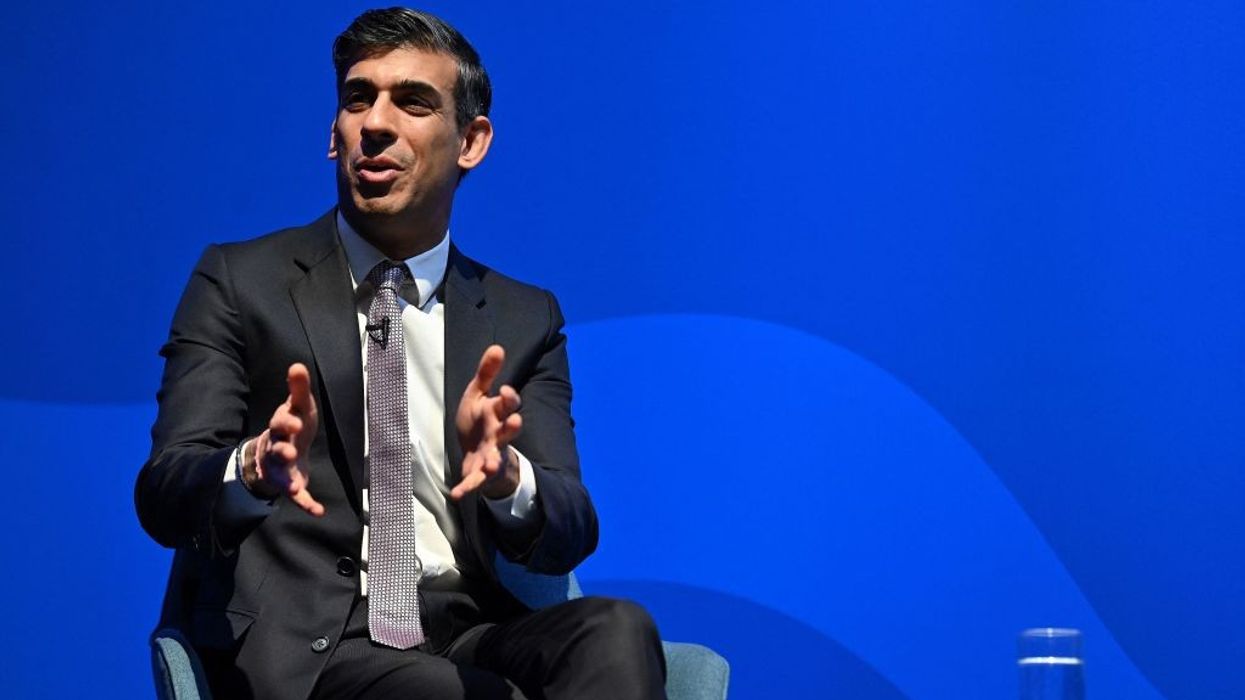
Chancellor of the Exchequer Sunak delivers his budget speech before parliament on Wednesday (23).
He will pledge to "stand by" hard-working families and outline plans to help with the rising cost of living, according to the Treasury.
'Pressure' on Sunak
"The further rise in inflation... adds to the pressure on the Chancellor to offset more of the cost of living crisis," noted Capital Economics analyst Paul Dales.
The last time the British inflation rate was higher was in March 1992 when it stood at 7.1 per cent.
Countries across the world are battling surging inflation fuelled by rocketing commodity prices over the Ukraine war and after nations exited pandemic lockdowns.
The Bank of England has warned that inflation will surge even higher in the coming months as Russia's Ukraine invasion sparks major price gains for crude oil, domestic energy and food prices.
Sunak faces widespread calls, even from fellow Tory MPs, to help ease household living costs, with reports suggesting he could delay a jobs tax hike due next month.
Spiking domestic electricity and gas costs were a key factor in February's broad-based price gains, according to the ONS.
Prices 'rising steeply'
"Inflation rose steeply in February as prices increased for a wide range of goods and services, for products as diverse as food to toys and games," added ONS chief economist Grant Fitzner.
"The price of goods leaving UK factories has also been rising substantially and is now at its highest rate for 14 years."
Spiking global inflation has forced central banks around the world to lift interest rates, including the BoE which last week lifted borrowing costs to 0.75 per cent.
Sunak has also hinted at cutting motor fuel duty to help ease household budgets.
However, his hands could be tied regarding major giveaways.
"The Chancellor may try to mitigate the upward pressures," noted EY economist Martin Beck.
"Measures such as a temporary cut to fuel duty would not fundamentally alter the outlook, which remains heavily dependent on geopolitical factors and global commodity markets."
The government also faces surging debt repayments on its borrowing, which jumped over the past two years on vast pandemic costs.
"The Chancellor is clearly under huge pressure to fork out to help out with the cost of living crisis, but record levels of borrowing, combined with rising interest rates, will probably temper his generosity," said AJ Bell analyst Laith Khalaf.
The government will also reveal its latest official economic forecasts alongside the budget statement.
(AFP)