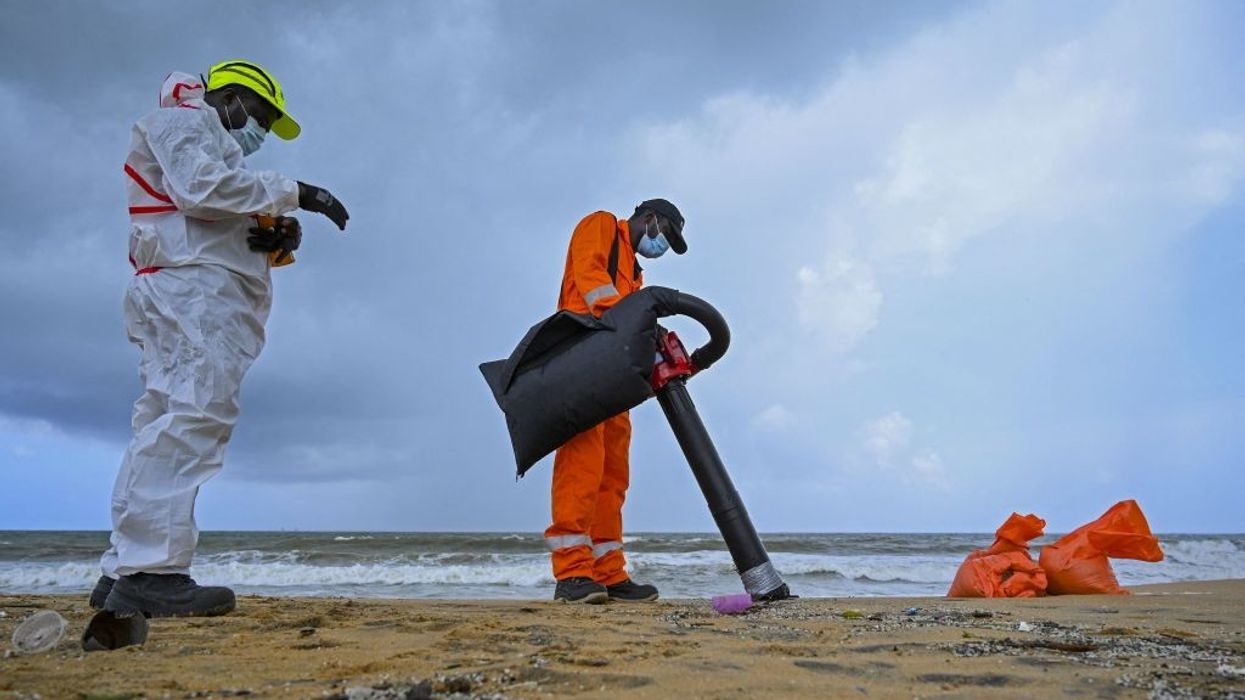

THE UK government will provide marine pollution expertise to help respond to the impact of burnt-out MV X-Press Pearl on the marine life and coastal habitats of Sri Lanka.
At the request of Sri Lanka, the UK’s Centre for the Environment, Fisheries and Aquaculture Science (Cefas) announced on Friday (18) that it will provide expertise and analytical capacity to support plastic pollution monitoring, as well as environmental and socio-economic impact assessments.
Cefas is working to assist in the laboratory analysis of post-spill monitoring samples, particularly plastic pellets, and potential chemical contamination, according to a statement.
Following the initial response, Cefas will continue to collaborate with the emergency response teams in Sri Lanka to help build their expertise for future incidents and to protect biodiversity and safeguard livelihoods.
International environment minister Lord Goldsmith said, “The X-Press Pearl vessel fire and the release of plastic pellets and chemicals along the Sri Lankan coast have already had devastating impacts, and it will likely cause long term harm to the environment, local fisheries and livelihoods.”
“We are determined to play our part in supporting developing countries to protect and restore their coastal ecosystems with our £500 million blue planet fund launched at the G7 by the prime minister Boris Johnson.”
Cefas marine litter scientist, Dr Umberto Binetti, said, “We are preparing a series of actions to provide support in monitoring the situation".



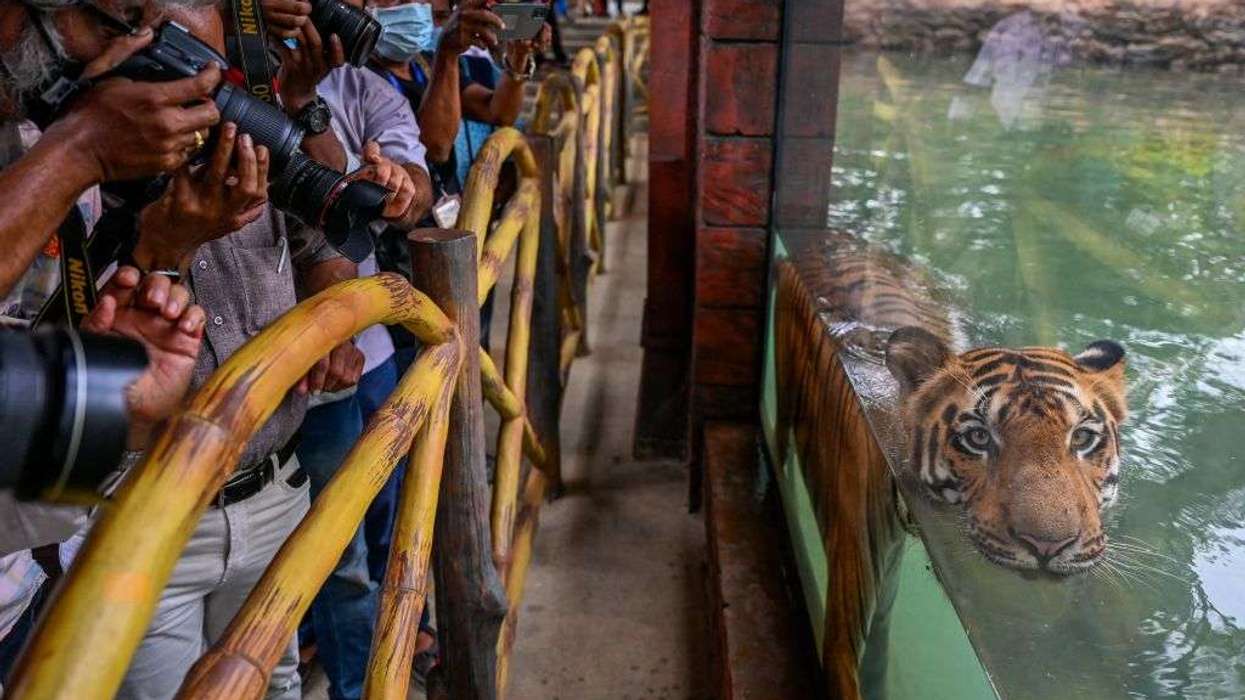
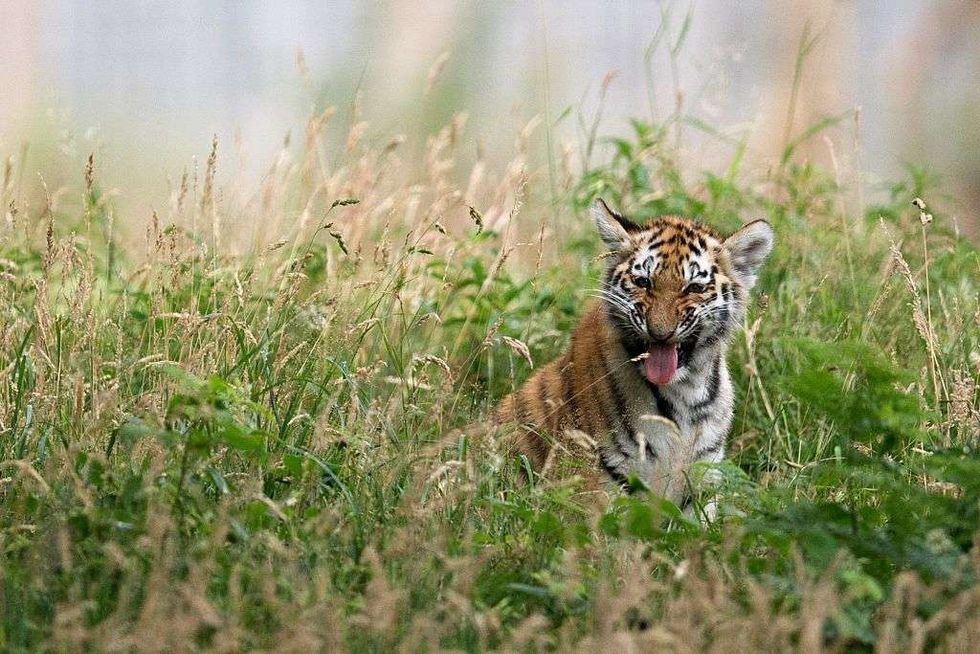 A rare Amur Tiger cub, aged four months, experiences its reserve for the first time at the Yorkshire Wildlife Park near Doncaster, northern England on July 29, 2015. Only around 450 Amur Tigers survive in the wild in their native Russia and Yorkshire Wildlife Park's release of three cubs, named Hector, Harley and Hope, into their reserve coincides with International Tiger Day. Getty Images
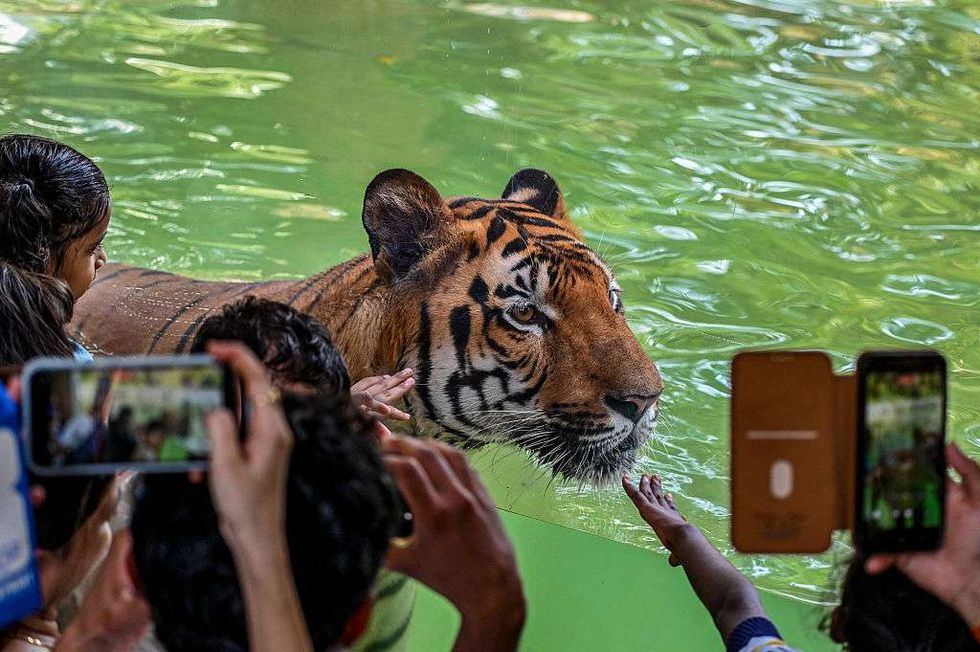 Visitors watch Jai, a Bengal tiger enjoying in a pool on a hot afternoon at the Veermata Jijabai Bhosale Udyan and Zoo in Mumbai on May 10, 2026. Getty Images
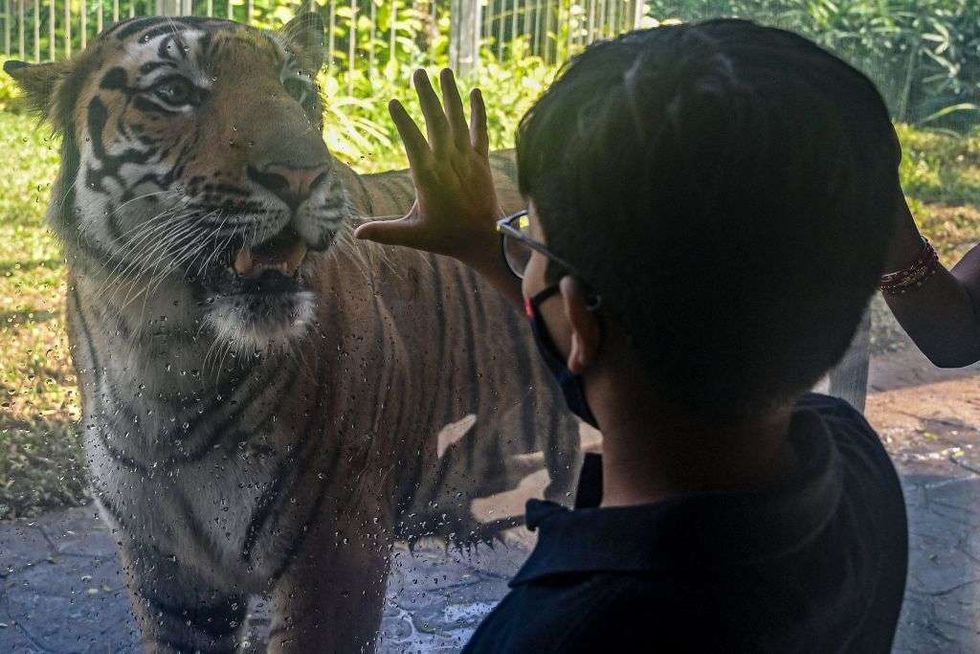 A boy looks at Shakti, a Bengal Tiger strolling inside its enclosure at Veermata Jijabai Bhosale Udyan and Zoo after the facility was reopened for visitors as part of easing of restrictions imposed earlier to curb the Covid-19 coronavirus pandemic in Mumbai on February 10, 2022. Getty Images