
BRITISH officials repeatedly warned the government not to pursue its plan to send migrants to Rwanda and the country was initially excluded from the shortlist of partner countries because of human rights concerns, London's High Court was told.
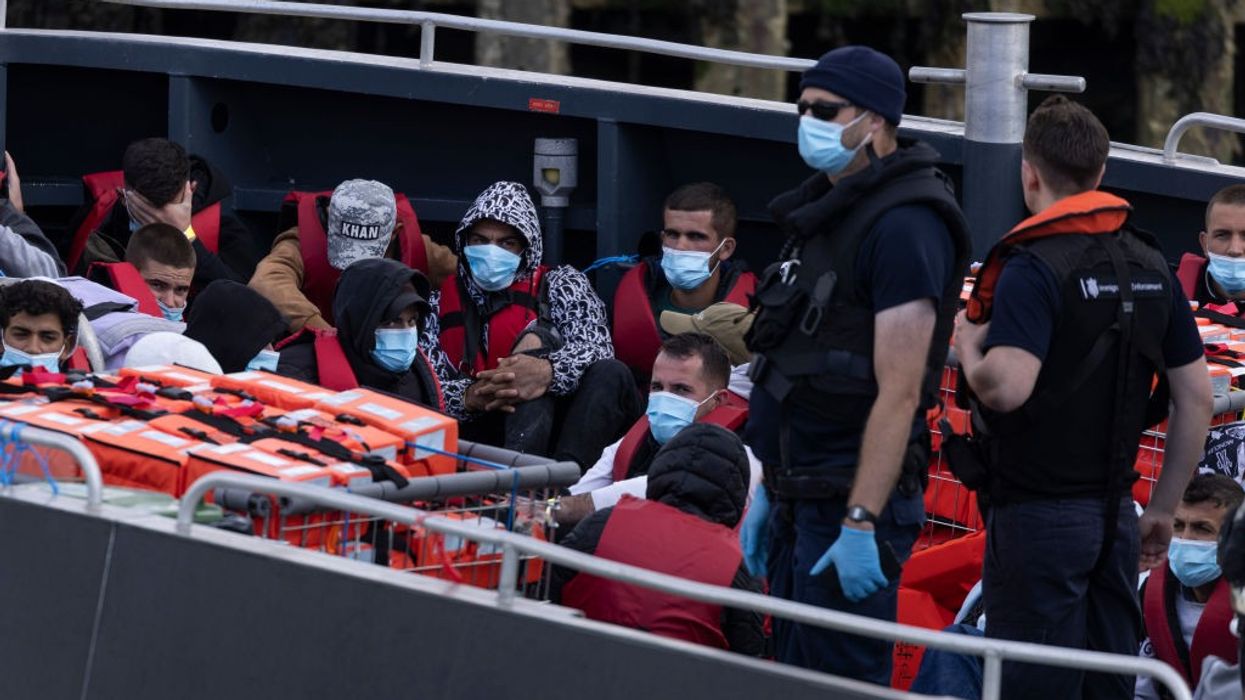
Under an agreement struck in April, Britain will send tens of thousands of migrants who arrive on its shores illegally more than 4,000 miles (6,4000 km) to the East African country.
The first planned deportation flight last month was blocked by a last-minute injunction from the European Court of Human Rights.
The government has vowed to press ahead with the plan, but the policy is facing a judicial review at the High Court where its lawfulness is being challenged.
Lawyers acting for asylum seekers from countries including Syria, Sudan, and Iraq, as well as charities and Border Force staff, have been sent thousands of documents detailing internal government discussions about the policy.
In February last year, the British High Commissioner to Rwanda said in a memo that Rwanda should be not selected as a place to send migrants for a variety of reasons including that the East African country had been accused of "recruiting refugees to conduct armed operations in neighbouring countries", according to written evidence submitted to the court.
The memo also said that Rwanda "has a poor human rights record regardless of the conventions it has signed up to" and has been criticised by Britain for "extrajudicial killings, deaths in custody, enforced disappearances and torture".
Rwanda should not be selected the memo concluded because Rwanda's "human right(s) record would cause problems reputationally and impact our ability, as directed by ministers, to raise difficult issue(s) with the regime", the document said.
Yolande Makolo, a spokeswoman for the Rwandan government, has criticised what she called misconceptions about the way migrants would be treated in the country. The Rwandan government is not party to the hearing.
The Home Office, which is responsible for immigration policy, and the Foreign Office did not immediately respond to a request for comment.
The government argues the deportation policy is necessary to smash the business model of people-smuggling networks after a record 28,500 people crossed the English Channel in small boats last year, but political opponents say it is a divisive and expensive stunt.
Further advice against any striking a deal with Rwanda was issued by officials in the Foreign Office, including a March 29 note to the foreign minister, which warned if Rwanda were to be selected, "we would need to be prepared to constrain UK positions on Rwanda’s human rights record, and to absorb resulting criticism from UK Parliament and NGOs".
Another internal government memo from April 12, a day before the deal with Rwanda was signed, said the agreement was "unenforceable, consisting in part of upfront payments, meaning fraud risk is very high".
Tuesday's hearing is being held to decide when a full judicial review should be held later this year. It was not immediately clear if government lawyers would respond directly on Tuesday to the court documents.
(Reuters)