Britain on Tuesday (21) unveiled plans to end the early release of terrorism prisoners and increase their sentences, following last year's London Bridge attack by convicted terrorist Usman Khan.
The government said it would launch a "major review" of how convicted terrorists are managed in response to the November 29 violence, which saw Khan kill two people before being shot dead by police.
The attack, which occurred during the general election campaign, immediately became highly politicised as Khan had already served timed for terror offences before being released early.
The reforms announced aim to ensure those convicted of serious offences, such as preparing acts of terrorism or directing a terrorist organisation, spend at least 14 years in prison.
They will also force such offenders to serve their whole sentence behind bars -- rather than be eligible for early release -- and overhaul the terrorist licensing rules.
"The senseless terror attack... in November confronted us with some hard truths about how we deal with terrorist offenders," Home secretary Priti Patel said in a statement.
"Today we are... giving police and probation officers the resources they need to investigate and track offenders, introducing tougher sentences, and launching major reviews into how offenders are managed after they are released."
Jonathan Hall, the government's independent reviewer of terrorism legislation, will oversee "a sweeping independent review" of the multi-agency system dealing with terrorism offenders, the statement added.
The proposed bill will double the number of probation officers specialising in terrorism prisoners and introduce measures such as polygraph testing.
It will increase the number of places available in probation hostels so officials can keep closer tabs on terrorists in the weeks after their release from prison.
The government said it would also review the support available to victims of terrorism, pledging to invest £500,000 ($650,000, 586,000 euros) "to ensure more victims get the support and advice they need, faster".
It will simultaneously increase the counter-terrorism police budget by £90 million to £906 million in the coming financial year.





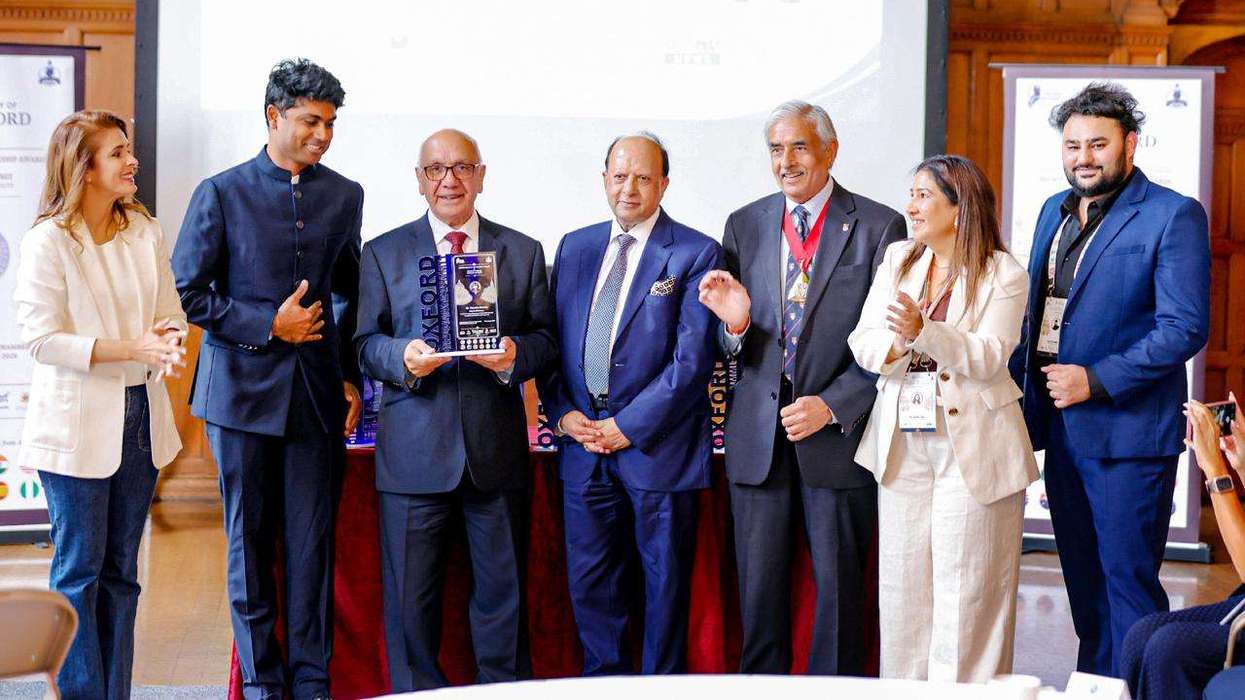
 Raageshwari LoombaMahesh Liloriya
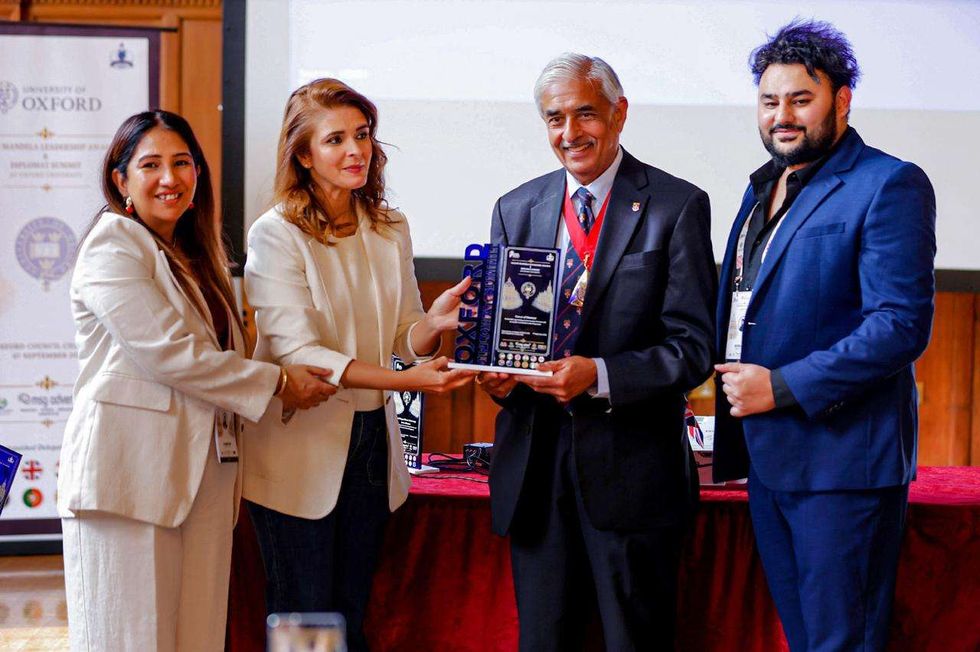 Raageshwari LoombaMahesh Liloriya
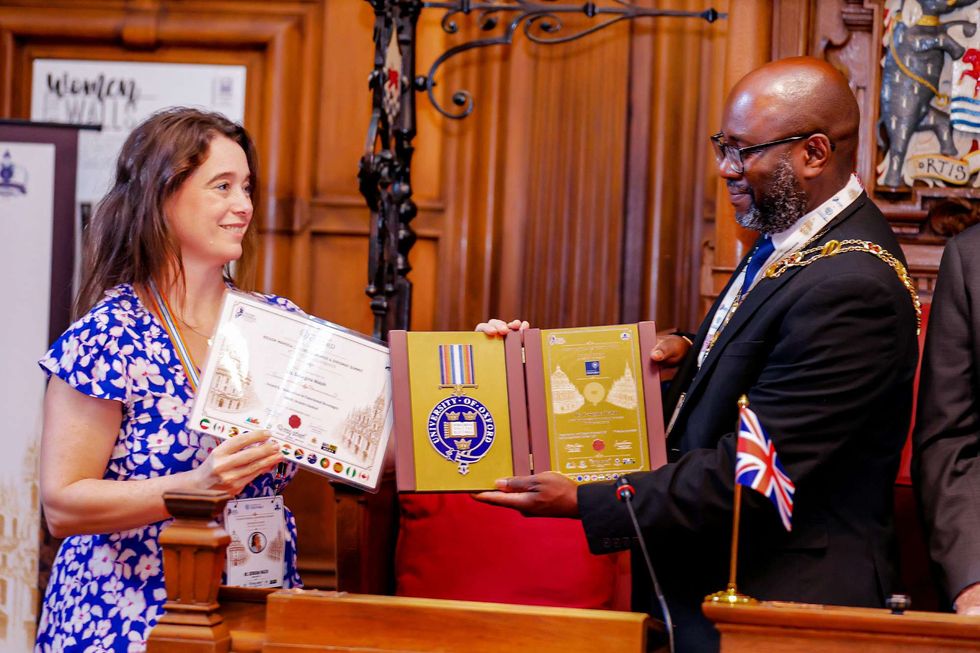 WinnersMahesh Liloriya