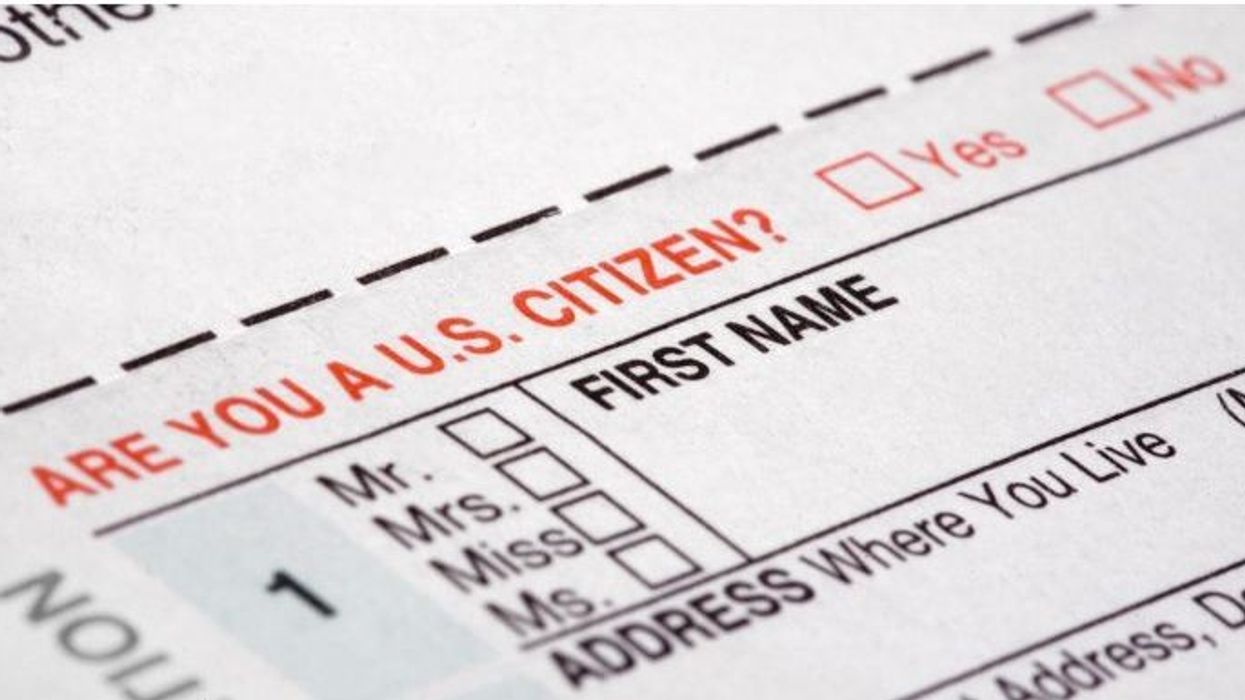

The Democratic party introduced a new bill on Wednesday (10) that would create a path to citizenship for undocumented immigrants and make changes to the H-1B visa system. The bill, called the US Citizenship Act of 2023, was introduced by Congresswoman Linda Sánchez.
It would create an 'earned roadmap to citizenship' for all 11 million undocumented immigrants living in the US. This would include Dreamers, TPS holders, and some farm workers. Undocumented immigrants who pass background checks and pay taxes would be eligible for a five-year path to citizenship.
The bill would also make changes to the H-1B visa system. These are temporary work visas that are issued to high-skilled workers from other countries. The bill would increase the number of visas that are available each year and make it easier for workers to bring their families to the US.
The US Citizenship Act of 2023 is a significant piece of legislation that would make it easier for undocumented immigrants to become citizens and would make changes to the H-1B visa system. It is unclear whether the bill will be passed by Congress, but it is a positive step towards creating a more fair and equitable immigration system.
It proposes to make changes to the employment-based immigration system by eliminating per-country caps.
The Act seeks to make it easier for STEM advanced degree holders from US universities to stay, improving access to green cards for workers in lower-wage industries, giving dependents of H-1B holders work authorisation, and preventing children of H-1B holders from ageing out of the system.
The bill also creates a pilot programme to stimulate regional economic development and incentivises higher wages for non-immigrant, high-skilled visas to shield them from unfair competition with American workers.
The Citizenship Act proposes to reform the family-based immigration system to keep families together by recapturing visas from previous years to clear backlogs, including spouses and children of green card holders as immediate family members, and increasing per-country caps for family-based immigration.
It also eliminates discrimination facing LGBTQ+ families, provides protection for orphans, widows, and children, and allows immigrants with approved family-sponsorship petitions to join family in the US on a temporary basis while they wait for green cards.
“As the daughter of immigrant parents from Mexico, I am honoured to introduce the US Citizenship Act — a bold, transformative framework that will help fix our broken immigration system,” said Congresswoman Sánchez.
“The US Citizenship Act will help us grow our economy, make our borders safer and more secure, and deliver a pathway to citizenship for millions of immigrants already living and working here,” she said.
)PTI)






 Curator Emma Slocombe with ikat robes and arabachi coats in the Peter the Great Room in Blickling Hall Amit Roy
 View of the entrance to Blickling Hall on a rainy autumn dayAmit Roy
 Kente cloth from Ghana in the Long Gallery in Blickling Hall
 Decoration in the Great Hall at Blickling Hall Amit Roy
 Palampore fragment made in coastal south-east India in the Brown Room in Blickling Hall Amit Roy
 Bed valance dating from early 1700s in the Italian Print Room at Blickling Hall Amit Roy
 Indian inspired fabric draped on sofas in the South Drawing Room in Blickling Hall Amit Roy
 Indian inspired fabric draped on sofas in the South Drawing Room with Indian carpet in Blickling Hall Amit Roy
 Karun Thakar has picked out the geometric patterns in the bookcase and the Kente cloth in the Long Gallery in Blickling Hall Amit Roy
 Large tapestry depicting Peter the Great defeating the Swedish army at the Battle of Poltava in 1709 Amit Roy
 ikat robes and arabachi coats in the Peter the Great Room in Blickling Hall Amit Roy
 Baghs and kanthas made by women provide contrast to the men only portraits in the Great Hall at Blickling Hall Amit Roy
 Baghs and kanthas in the entrance Great Hall at Blickling Hall Amit Roy
 Baghs and Kanthas in the Great Hall in harmony with stained glass window at Blickling Hall Amit Roy
 Kimonos reflect Japanese influence in Upper Ante Room in Blickling Hall Amit Roy
 Kimono in Upper Ante Room in Blickling Hall
 A view of the Palace and fort at Agra shows romantic side of India Amit Roy
 Blickling Hall Amit Roy
 Table carpet, European 1670-1680 Amit Roy
 Unfinished 17th century Italian embroidery in the Print Room at Blickling Hall Amit Roy
 Picture of Kashmir shows a romantic view of India Amit Roy
 A panel of Ashburnham bed hangings made in Gujarat for sale in Europe in the Brown Room in Blickling Hall Amit Roy
 Colcha made in the 1600s by women in Bengal for the Portuguese market in the Long Gallery at Blickling Hall Amit Roy




