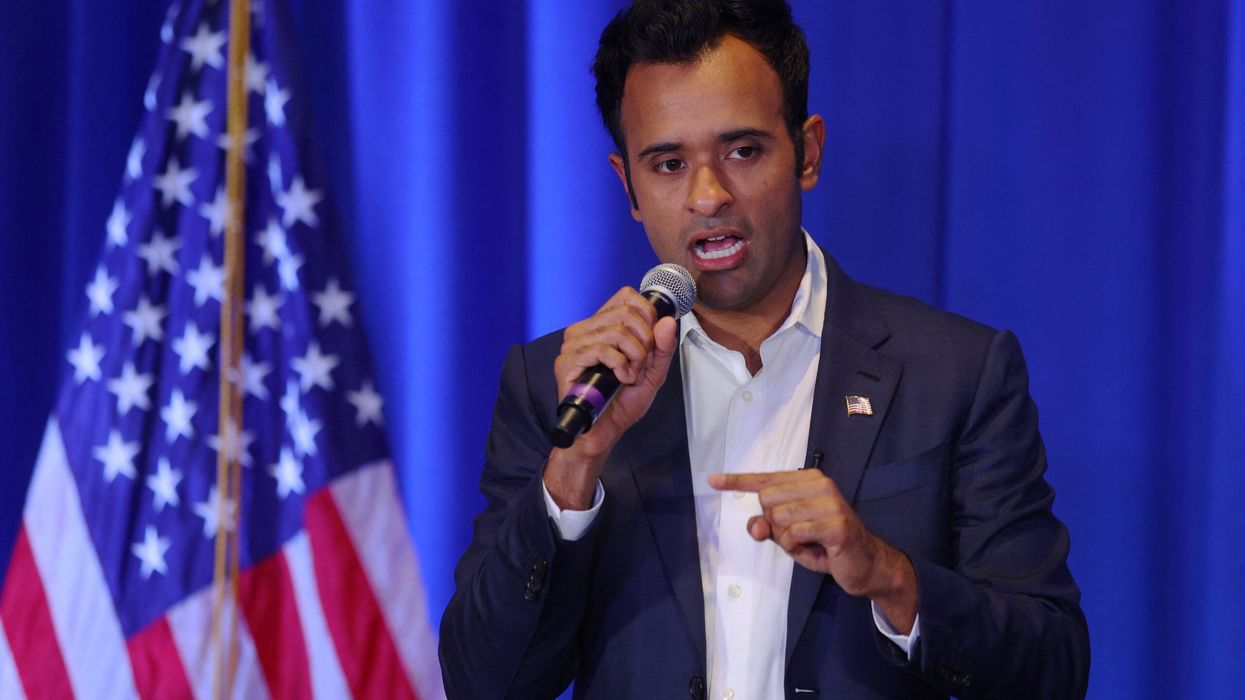
A BIOPHARMA company founded by the American presidential hopeful Vivek Ramaswamy has sold its bowel disease drug development arm to the Swiss group Roche.
Roivant Sciences will get $7.1 billion upfront and a near-term milestone payment of $150 million by selling its entire 75 per cent stake in Telavant Holdings.
Pfizer will retain the remaining stake in Telavant which holds the patent to develop, manufacture and commercialise RVT-3101 - a “promising” antibody for the treatment of inflammatory bowel disease and potentially multiple other diseases.
With the deal, Roche gains the rights to develop, manufacture and commercialise the drug in the US and Japan, while Pfizer can market it in the rest of the world.
The deal is expected to close by the first quarter of 2024.
Ramaswamy, who founded Roivant in 2014, stepped down as its chairman in February this year to focus on his bid to win a Republican nomination for the US presidential election due next year. However, the Cincinnati-born entrepreneur holds a seven per cent stake in the Nasdaq-listed company.
According to a recent CNN poll, Ramaswamy is the second most popular Republican candidate among primary voters after former president Donald Trump.
He is also a Trump supporter and says that if he won the White House, he would pardon the former president who is embroiled in legal cases.
Vivek Ramaswamy’s firm sells bowel disease drug arm for $7 billion
The presidential hopeful, who stepped down as Roivant Sciences chair in February, holds a seven per cent stake in the biopharma company