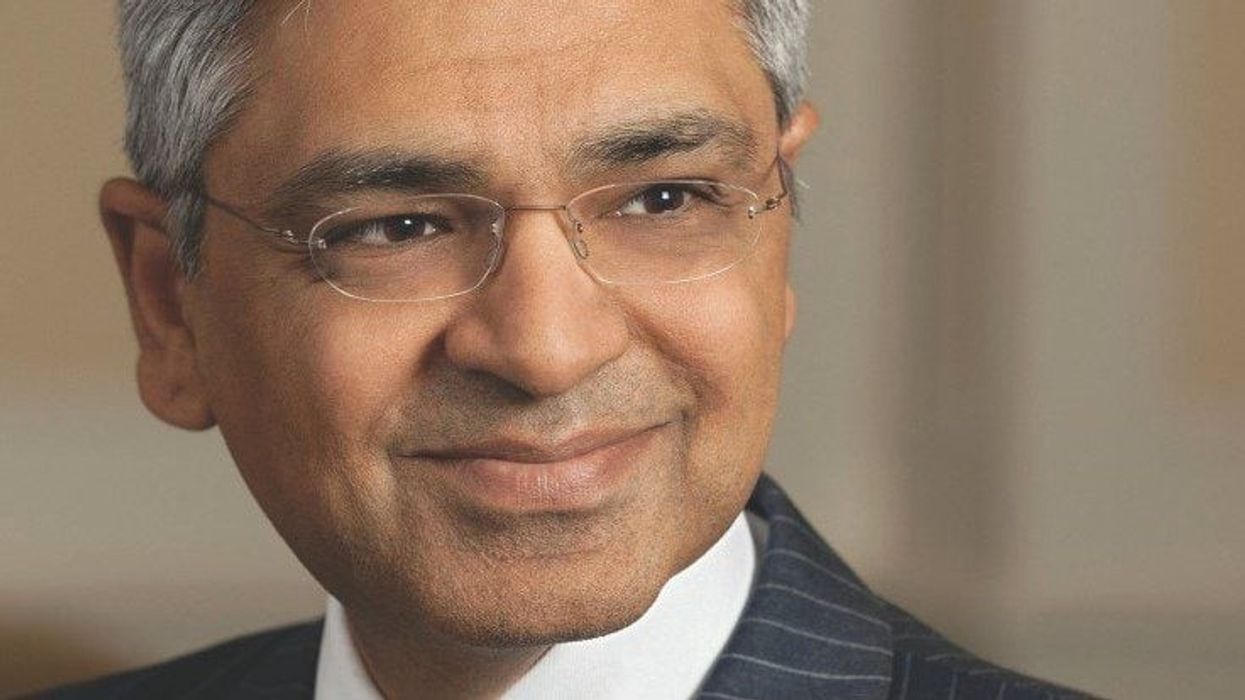
MOHAMMAD Kamal Syed has been appointed interim chief executive of NatWest's private banking arm Coutts to succeed Peter Flavel who resigned over the Nigel Farage scandal.
"Mo has extensive wealth management experience and is the ideal person to lead Coutts through this difficult time…," NatWest's interim CEO Paul Thwaite said on Thursday (27).
Syed, who joined Coutts in 2012 as the head of asset management, has international experience spanning investment banking and fund management, having previously worked as the CEO of MaxCap Partners (UK Multi-Family Office).
He began his career at the Bank of Tokyo in London in 1986 and four years later, he moved to Japan where he was responsible for building the South East Asia capital markets business.
While in the Japanese capital, Syed joined Barclays in 1992 and held senior positions including deputy head of global derivatives trading.
He later became the chief operating officer and global head of investment banking at Sanwa International which is now part of Tokyo-Mitsubishi UFJ Group.
Flavel, chief executive of Coutts since March 2016, quit Coutts on Thursday "by mutual consent with immediate effect", Thwaite said in a statement.
A day earlier, Alison Rose resigned as NatWest CEO after admitting a "serious error of judgment" in speaking to a BBC reporter about Farage's banking affairs.
Farage, a former leader of the Brexit Party and the anti-immigration party UKIP, has complained that he was removed as a client of Coutts for his political views.
In a report which it has since apologised for, the BBC had suggested Farage's accounts were closed because he did not have sufficient funds to remain a client of the prestigious establishment.
Rose admitted that she had given the public broadcaster's reporter "the impression that the decision to close Mr. Farage's account was purely commercial".
Coutts is a 331-year-old institution that caters to the rich and famous, with a client list that has included the late Queen Elizabeth II.
"In the handling of Mr Farage's case we have fallen below the bank's high standards of personal service," Flavel said in Thursday's statement.
"As CEO of Coutts it is right that I bear ultimate responsibility for this, which is why I am stepping down," he added.
Farage, a Eurosceptic politician and now a television presenter, campaigned for decades for Britain's withdrawal from the European Union and was a key figure in the 2016 Brexit referendum.
Wealth management veteran Syed appointed Coutts interim CEO