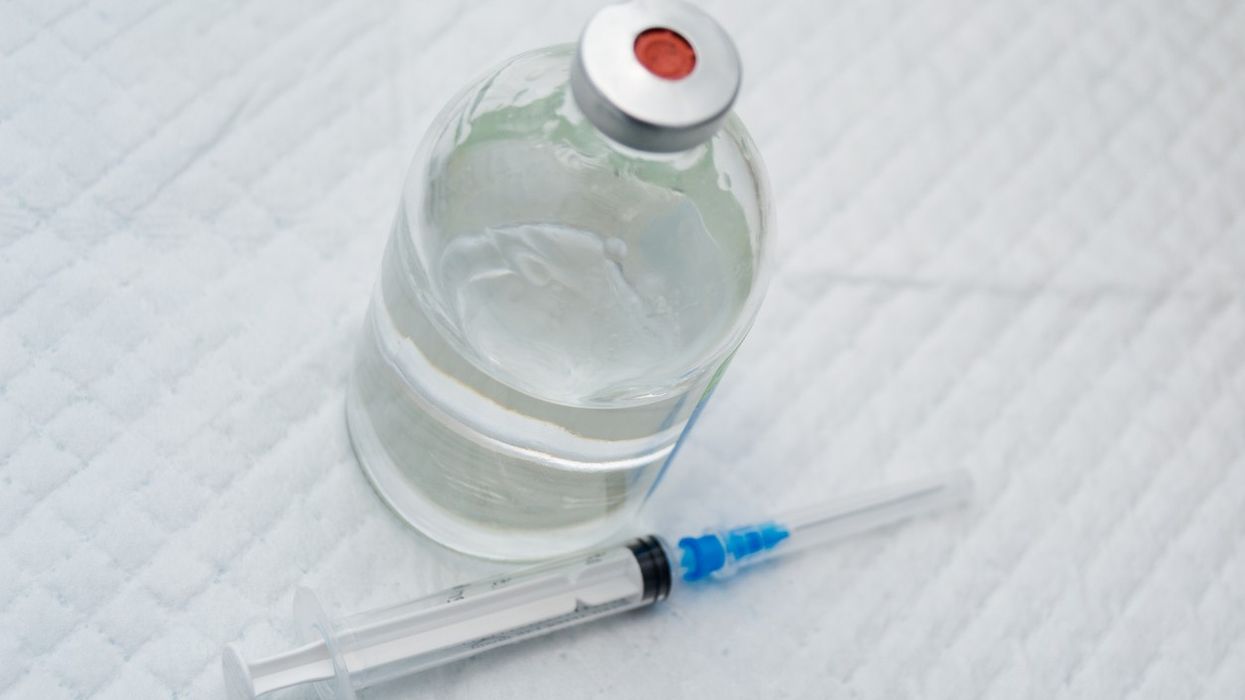

The potent animal tranquiliser xylazine, commonly referred to as the 'zombie drug,' has emerged as a significant concern in the United States and is now associated with 11 deaths in Britain, caution researchers.
Xylazine, also known as "tranq" or "tranq dope," induces a dangerously slow heart rate and severe skin wounds when injected by humans, as reported by The Telegraph. In the US, where its usage is widespread, individuals are often discovered in a catatonic state on the streets, with overdoses surging by 35% since 2021.
King’s College London conducted a study to evaluate the impact of xylazine in Britain. Contacting all toxicology laboratories in the UK, they discovered traces of xylazine in samples from 16 individuals, 11 of whom had succumbed to its effects.
Dr Caroline Copeland from King’s College London expressed concern about xylazine's infiltration into the UK's illicit drug market, highlighting the heightened risk of overdose, particularly when combined with other substances such as cannabis vapes, as reported by The Telegraph.
Referred to as the "zombie drug" due to its gruesome effects on the skin, xylazine has already been associated with numerous deaths in the US. The first recorded death outside North America occurred in May 2022.
Xylazine is often mixed with potent opioids such as heroin or fentanyl, but the study also found instances where it was used in conjunction with cocaine, counterfeit codeine, diazepam (Valium) tablets, and even cannabis vapes.
Healthcare providers have been urged to test skin ulcers to determine any connections to xylazine use. The findings of the study were published in the journal Addiction.
Researchers identified 35 cases of xylazine in England, Scotland, and Wales by the end of August last year, while no cases were found in Northern Ireland, reported Sky News.
Last year, due to increasing deaths attributed to xylazine, the White House announced a six-point plan to address the issue.





 FILE PHOTO: A woman walks past a poster displaying a message of defiance to the terror attack of May 22 at the Manchester Arena, in Manchester, northwest England on May 31, 2017. (Photo by OLI SCARFF/AFP via Getty Images)