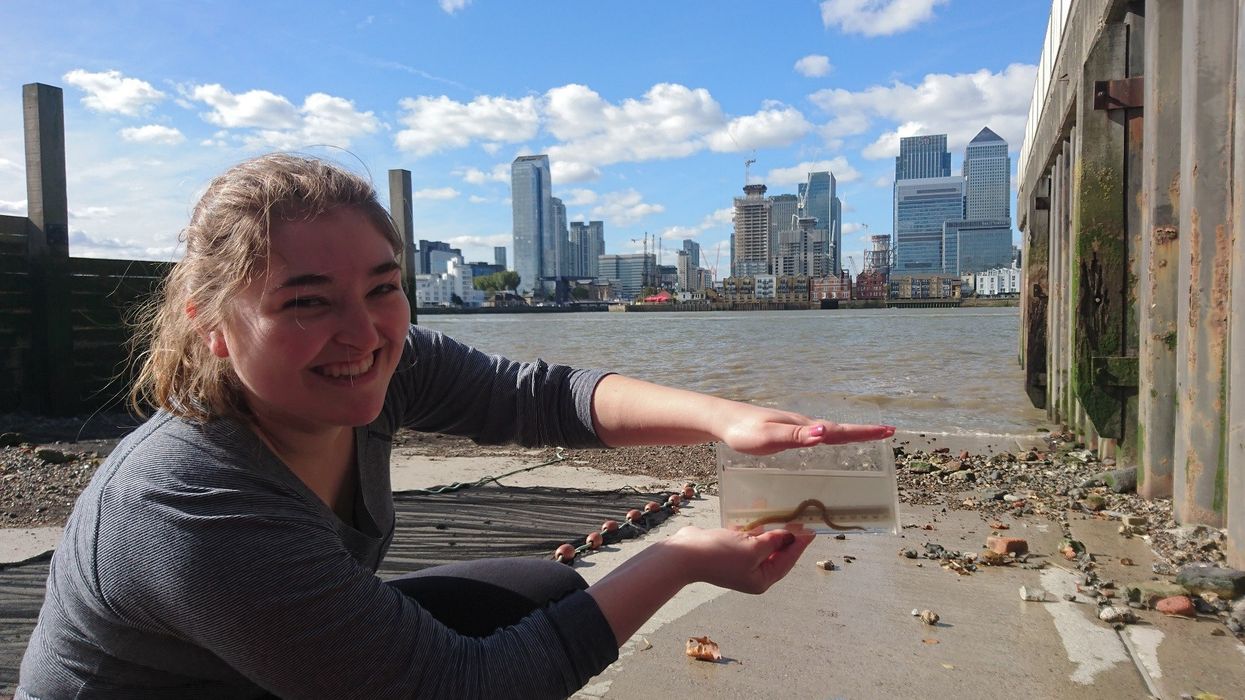

YOUNG black, Asian and minority ethnic (BAME) riverside residents will benefit from the Blue Connections scheme running in two east London boroughs.
Blue Connections, focused on Barking Creek and the River Roding (Thames tributary), aims to improve people’s understanding and appreciation of rivers and boost their skills, employability and mental health.
The project in Barking & Dagenham and Newham targets young people from BAME communities, which currently account for just three per cent of workers in the environmental sector across the UK.
It will offer riverside ‘walks and talks’ on the wildlife and ecology of the river, online seminars and a transferable and vocational skills training programme, a statement said.
The scheme will also feature opportunities to get involved with a ‘community mapping’ exercise aimed at identifying and removing barriers for fish migrating between freshwater channels and the tidal Thames, and environmental surveys on intertidal habitat.
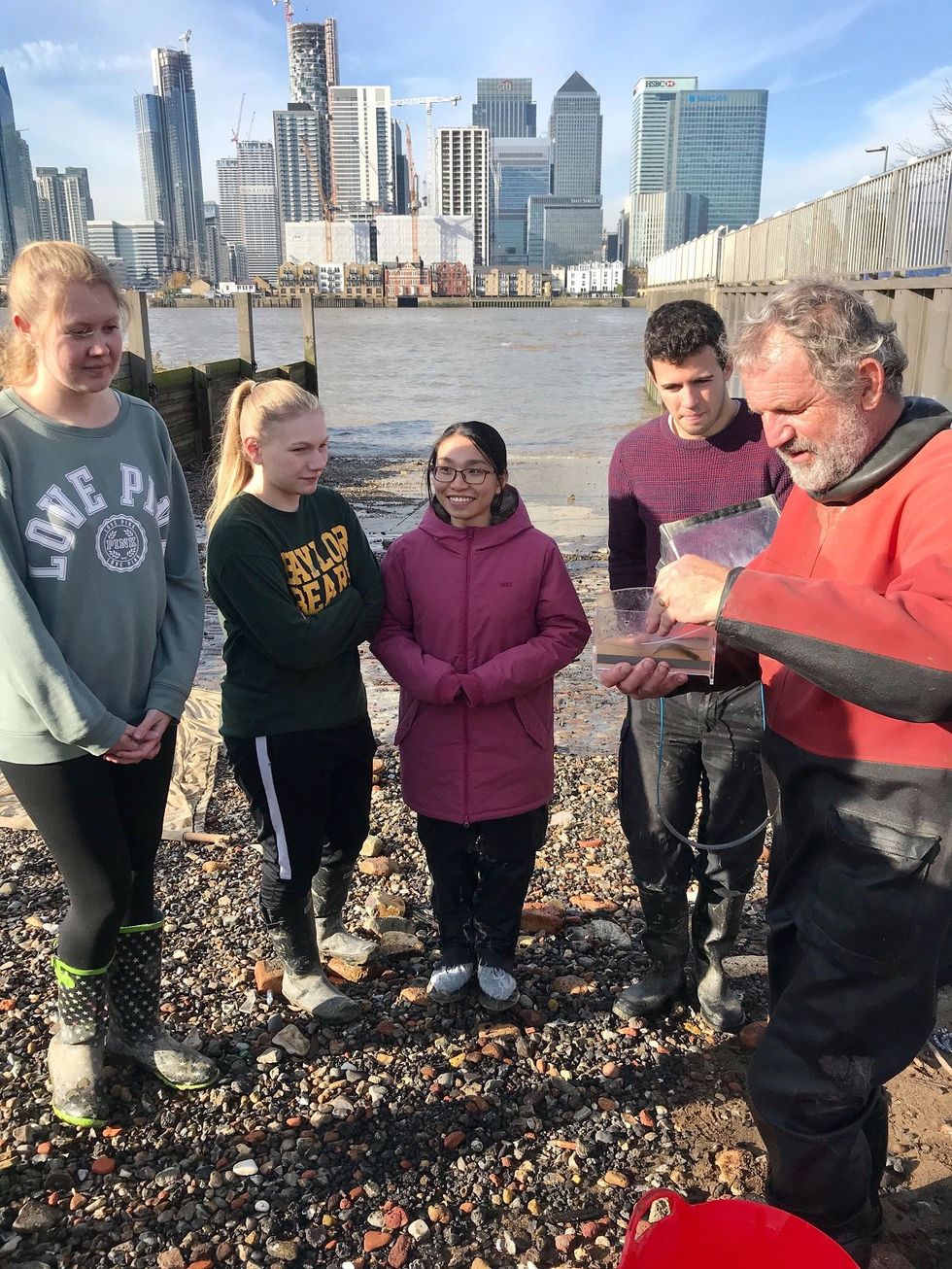 UCL students with Institute of Fisheries Management fish expert Steve Colclough
The Thames Estuary Partnership runs the project funded with an £86,000 grant over two years from City Bridge Trust – the City of London Corporation’s charity funder.
“The River Thames is the lifeblood of London, but many of us who live in the capital often see it as a barrier to be crossed rather than something to learn from and enjoy," said City Bridge Trust chairman Giles Shilson.
“Reconnecting with the water, its ecology and the huge variety of fish and mammals that live in it can have a marked effect in improving how people feel and their quality of life.”
The scheme will offer in-person and online training in skills such as communication, project planning, mapping and design skills, the statement added.
Thames Estuary Partnership technical director Amy Pryor said: “This project will give people living near the water the chance to learn more about the river and how to look after it and the environment more generally, to develop new skills they can use in any job and boost their employability, with the added bonus of learning outdoors, which is a major boost to mental health.”
“Working as an intern for Thames Estuary Partnership and helping out at the Estuary Edges fish trials was immensely rewarding and I would recommend any student take advantage of the opportunities for training," said Ben Copson, who undertook the programme when he was an undergraduate at the University of Cardiff’s EARTH department.
“Throughout the day I was exposed to every working element of the survey; from fyke, seine and gill net operation, to hands-on experience with fish and marine organism handling, to data collection and recording."
For more details- www.thamesestuarypartnership.org, email-a.pryor@ucl.ac.uk